Writing on gambling,
maths, and policy
Long-form pieces on casino reviews, game mathematics, player psychology, and the gap between industry marketing and measurable reality.
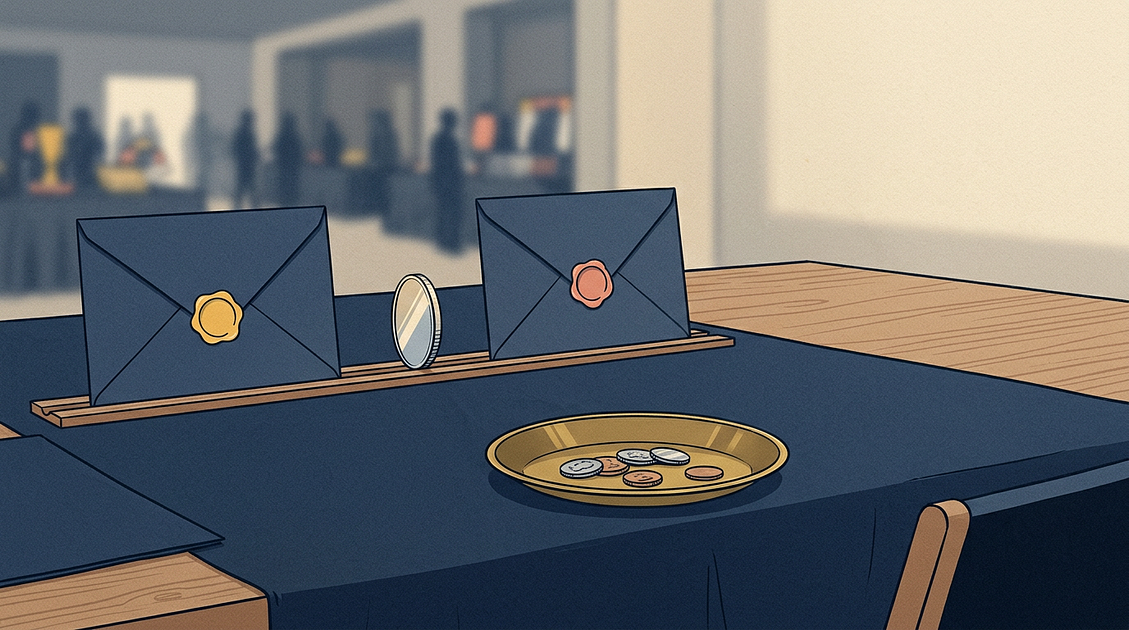
Why Pay Someone Else to Choose When the Odds Are the Same
Research on delegation shows that people will pay to hand over decisions even when the odds and payouts are unchanged. The article argues that beyond reducing effort, delegation can buy something else: emotional distance from bad outcomes and a way to shift responsibility.
Read article
What Happens When Your Neighbour Wins The Lottery?
Buying a car might seem like a private decision. A lottery gave researchers an unusual way to ask whether the neighbours have anything to do with it.
Read article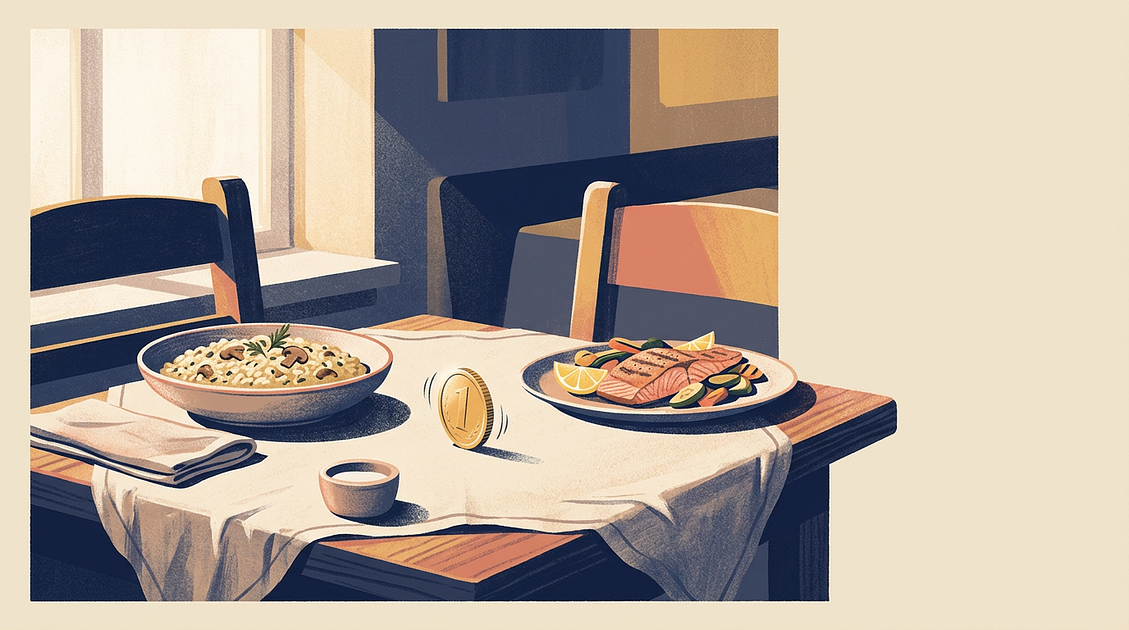
Can a Coin Toss Actually Help You Make a Better Decision?
People sometimes toss a coin when thinking about a decision, even when they have no intention of doing what it says. Psychologists have been looking at whether the reaction to the result tells us anything useful.
Read article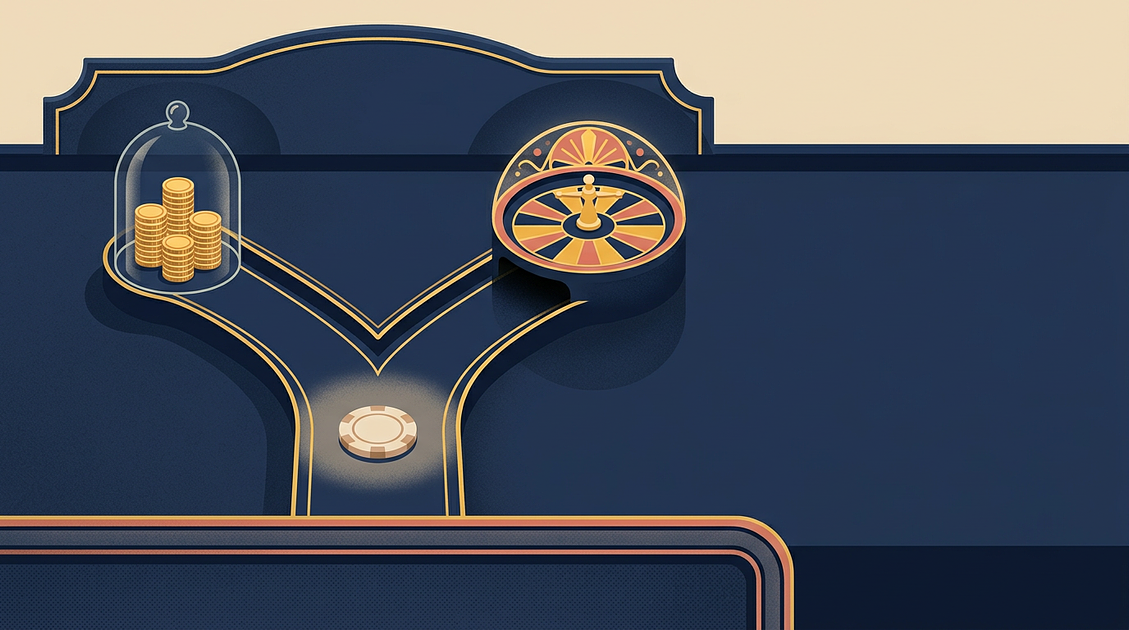
Would You Make the Same Choice If Someone Else Could See It?
We all think we know how we'd react to a risky choice. But what if someone who's never met us could influence that decision, simply because we know they'll be watching?
Read article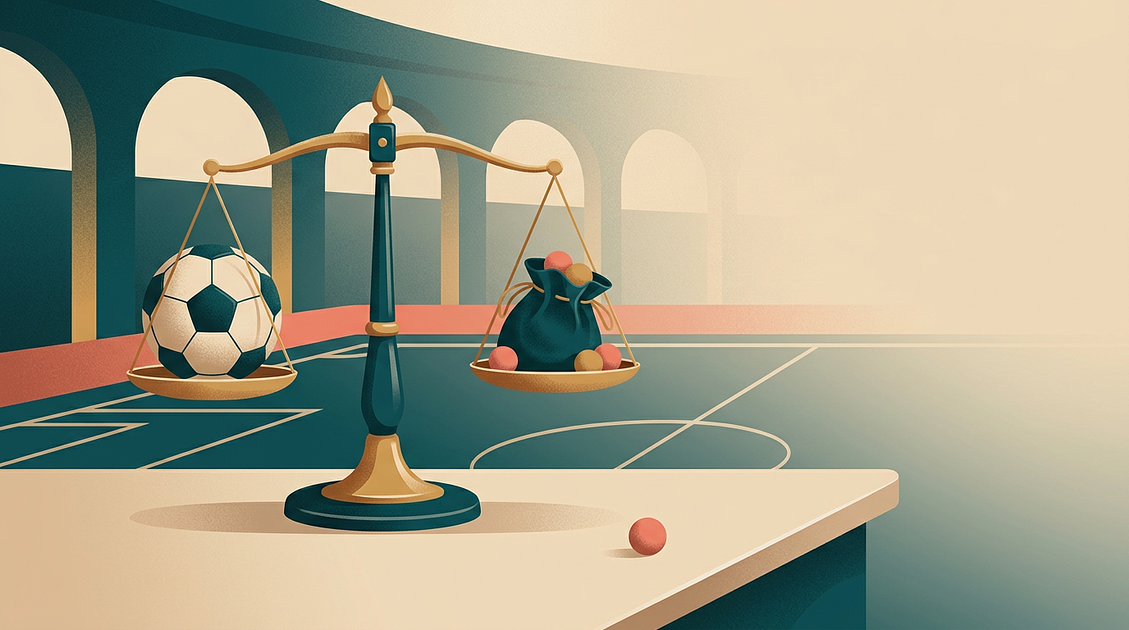
When Knowing the Game Feels Like Knowing the Outcome
You've followed both teams all season. You know their strengths, their weaknesses and exactly why one should win. Would you feel the same way about a bet decided by a coloured ball?
Read article
The Strange Anatomy Of A Winning Streak
A few wins in a row can make you feel surprisingly clever. But what if the most interesting part of a winning streak isn't the winning at all?
Read article